1955–
A country that needed
water, and a man with
one machine.
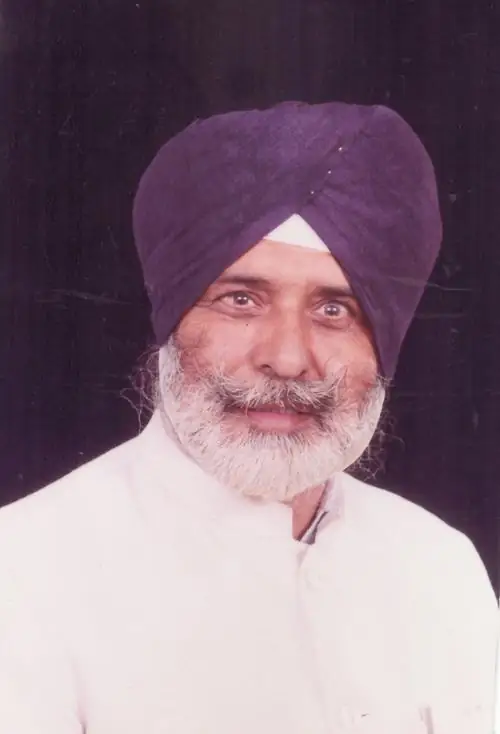
Sardar Gurnam Singh Saini · Founder
India in the years after Independence had land, farmers and ambition — and nowhere near enough water where it was needed. Fields waited on a monsoon that came late or not at all. Villages carried water by hand. The country's food security rested on a resource nobody could reliably reach.
Sardar Gurnam Singh Saini learned the trade from the bottom of it. He worked as a drilling hand in 1951 alongside drilling engineer S. Bhag Singh Soni, and ran a direct rotary machine himself in 1954 during government service — that same machine still stands in the company's yard today.
In 1955, at Dera Bassi, he began a business of his own around a simple, difficult promise: bring the water up.
The machines were basic — percussion rigs, hand-worked tooling, slow and unforgiving. The water table then sat far higher than it does now, so a well of a few hundred feet could transform a farm. What made the difference was not depth but judgement: knowing where to bore, how to case the well, and how to make it survive a hard season.
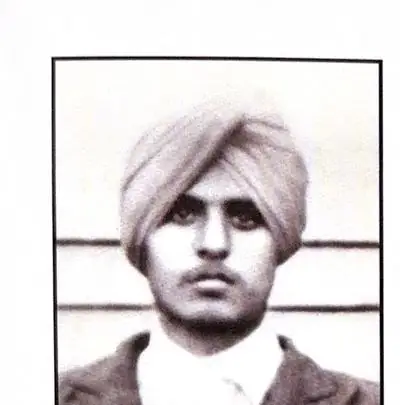
The founder as a student
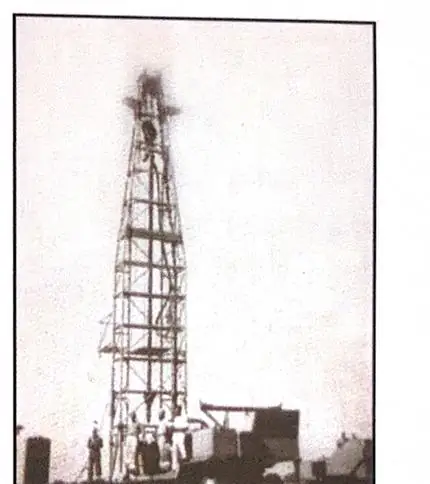
1956 · The direct rotary machine he ran himself — still standing in our yard
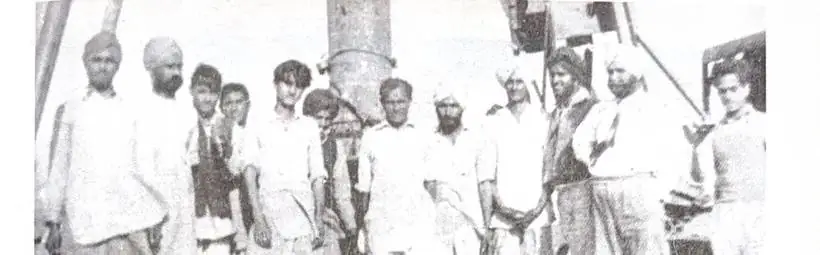
1951 · Working as a drilling hand with engineer S. Bhag Singh Soni and crew
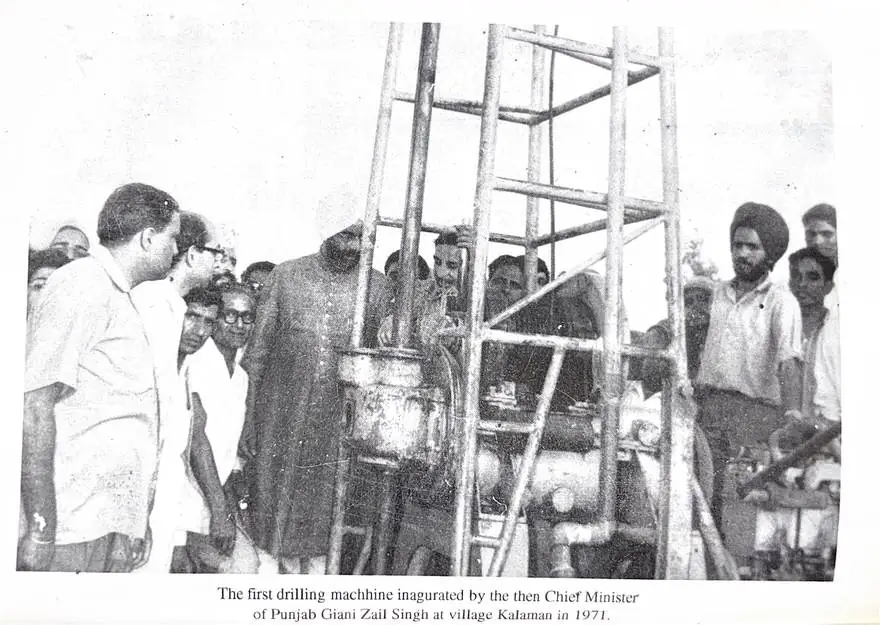
1971 · The company's first drilling machine, inaugurated by the Chief Minister of Punjab at village Kalaman
The Green Revolution ran on tubewells
When India set out to feed itself, high-yield wheat and rice needed water on a schedule the monsoon could not keep. Reliable irrigation was the precondition for the entire programme.
Gurnam Singh & Company put high-capacity tubewells into fields across Punjab, Haryana and Uttar Pradesh through those years — turning uncertain land into land that could be planned. Together, those wells formed an irrigation network that loosened the country's dependence on rainfall — and rural incomes rose behind it.
By the mid-1980s the company was the largest name in Indian water-well drilling, and the work had moved from single farms to canal-side schemes, state departments and industrial sites.
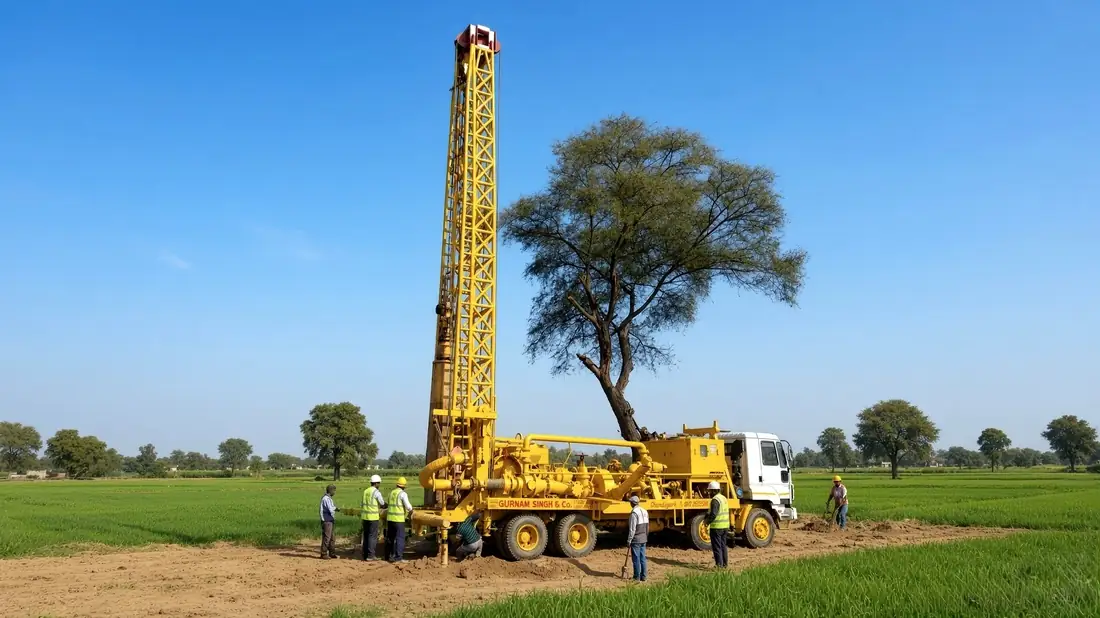
In the fields it was built for — a rig of ours mid-bore under a Punjab sky
THE DESCENT
He went looking for
the machine India
did not have.
Sardar Gurdarshan Singh Saini inherited a company that could reach three hundred feet, in a country whose groundwater was retreating below it. Shallow aquifers across northern India were being drawn down faster than they refilled. The wells that carried the Green Revolution were running thin.
His answer was to go deeper than anyone in India could — and then to build the machine that would go further still.
He brought in the Foremost Dual Rotary DR-24 HD from Calgary, the first of its kind in the country. Then his engineers did the harder thing: working in Punjab, they designed and built a reverse rotary rig of their own — twin engines at 300 HP and 175 HP, a complete hydraulic system, a thirty-inch bore, and the capacity to drive a well to a full kilometre. Engineered in India, for Indian ground.
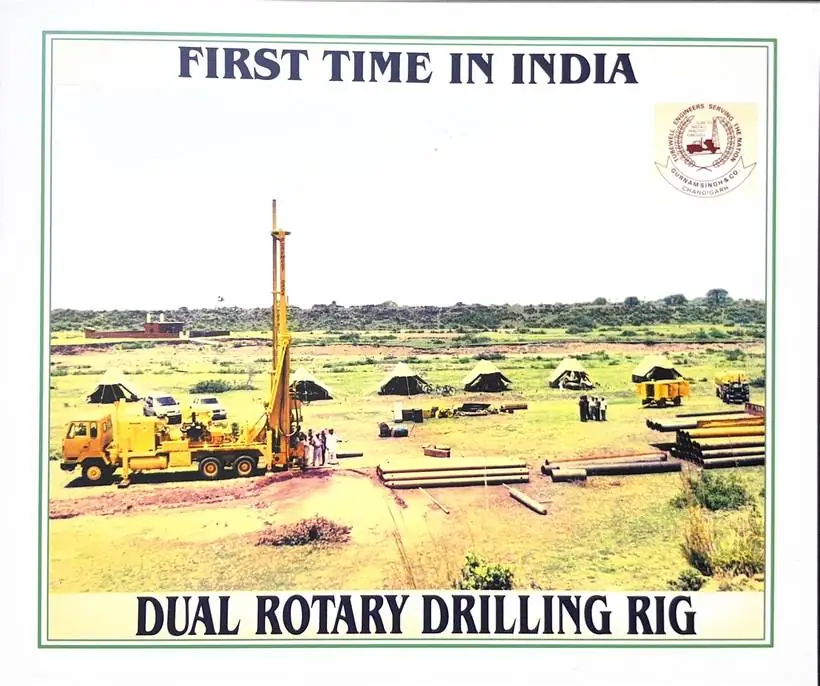
First time in India · the Foremost Dual Rotary rig on site
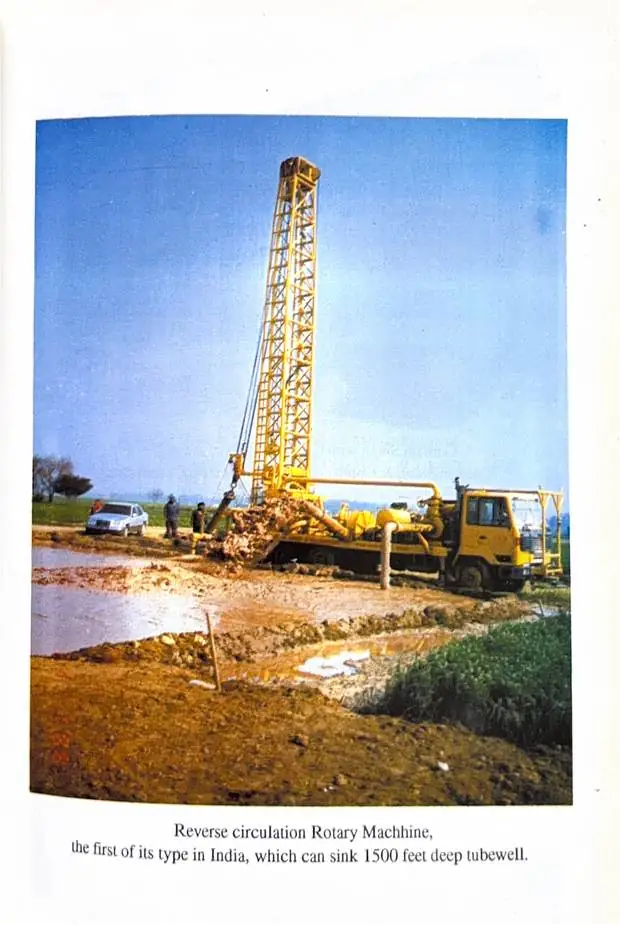
The reverse circulation rotary machine — first of its type in India, 1,500 ft capacity
How these machines work, in detail, on the Technology page.
The deepest water-well drilling capability in India, on a rig our own engineers designed and built. Where the aquifer is, we can reach it.
We expanded to become a water
infrastructure drilling company.
Finding water is only half the problem. A village with a successful bore and no way to move the water is still a village carrying buckets.
So the work grew outward from the hole in the ground. Gurnam Singh & Company now builds water infrastructure — the bore, the casing, the pump, the pipeline, the storage, the tankers and the connections that carry water into homes. We deliver complete schemes for state departments across northern and eastern India, from survey through to a tap that runs.
That shift is what put the company on national and international programmes: Jal Jeevan Mission, AMRUT, the Smart Cities Mission and World Bank-supported rural water schemes.
The ground nobody else would take
In Jammu & Kashmir the company kept its rigs running through the militancy years — continuing work when gunfire reached the sites and machinery was damaged. In Uttarakhand's hill districts, where groundwater is notoriously hard to locate, our bores came in successful.
That record is why defence establishments, state PHE departments and central agencies call us for the sites that have already defeated someone else.
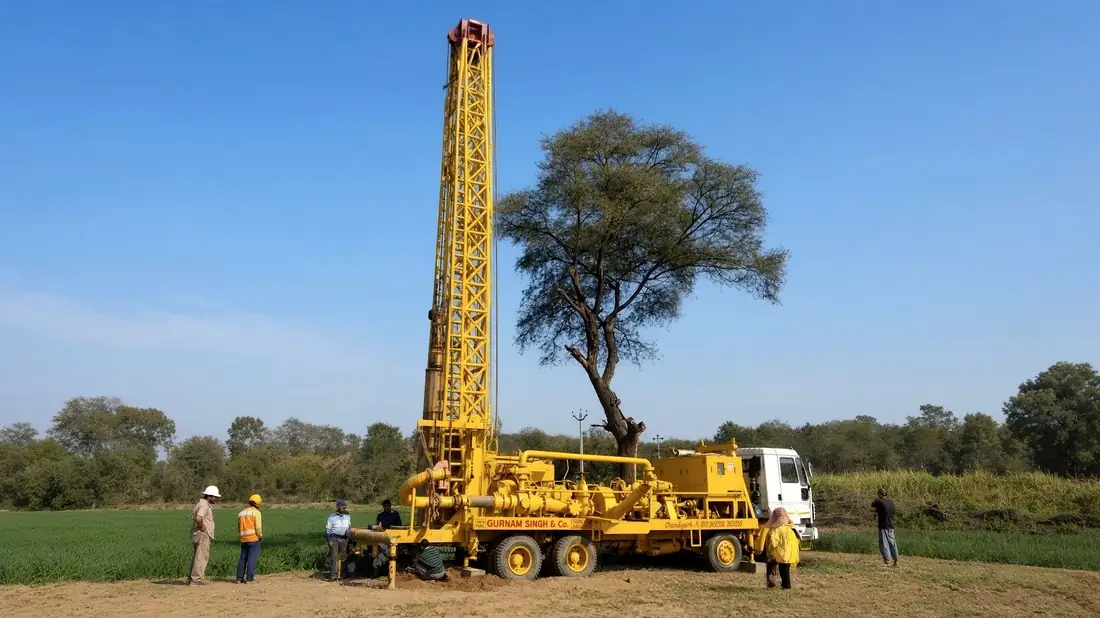
When the rig arrives, the village gathers — a bore going in exactly where the water is needed
The next generation
is building the
machines that follow.
Hardeep Singh Saini holds a Bachelor's in Mechanical Engineering and a Master's in Mechatronics from the University of New South Wales, Sydney. He joined a company that had spent seven decades learning the ground, and brought back the discipline that governs the machines working it.
His mandate is modernisation: automation and mechatronic systems across the rig fleet, intelligent machinery and modern control systems, internationally informed operating practice, and engineering that treats groundwater as something to be protected as carefully as it is extracted.